“also known as cherries” search results (500)

Beautiful coffee fruit
Most of the coffee producing areas in the world are located in the tropics between the Tropic of Cancer and the Tropic of Cancer, which we call the "coffee belt".
2014-06-19 Coffee knowledge coffee fruit coffee encyclopedia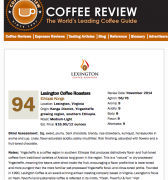
Qianjie Cafe Ethiopia Sun Kong plus Cooperative Yejia Xuefei
Coffee bean details: country: Ethiopian Grade: G3 producing area: Yirgacheffe, Keble Konga altitude: 1800-2000 m treatment method: sun varieties: Ethiopian Native seed treatment Plant: konga Flavor: berry, cantaloupe, Lemon, Citrus, Litchi Conga Cooperative was established in 2002 and is located in the town base of Yega Snow in southern Ethiopia.
2015-02-13 Qianjie Cafe Ethiopia Sunshine Conga Cooperative Yejia Sheffield Caf é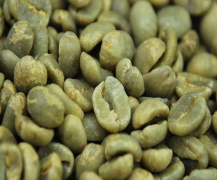
Raminita La Minita coffee tasting
This is a world-famous manor known for its strict quality control and stable quality. we are very surprised that we can't find defective beans when we open them.
2014-07-02 Coffee knowledge coffee encyclopedia coffee tasting coffee beans
The production and processing of coffee beans the Panamanian Jade Manor
1. Skin/Pulp: the outermost layer of coffee beans is covered with berry-like skin and pulp. In addition to the natural sun method, coffee beans treated by other methods must remove the skin and flesh within a few hours after picking. Similar to the cherries we often eat, the difference is that when we eat cherries, we mainly eat the pulp and peel of berries. For coffee.
2016-06-12 Coffee beans production and processing process Panama Jade Manor Peel Pulp Sk
Baristas must see the explanation of the terms of the fine coffee industry.
About coffee beans: * Coffee cherry: the fruit of a coffee tree, named because its rind is bright red and its shape is very similar to cherries. * round beans: when the coffee fruit is growing, one of the two seeds develops very well, and the other seed is eaten so that the coffee bean that should be oval becomes round. * Elephant beans: bigger than ordinary coffee beans and usually taste
2015-03-05 Coffee Shibi boutique industry terminology explanation about coffee beans coffee cherries
Colombia Coffee Boutique Coffee Flavor Taste Producing Area Features Manor Introduction
Colombia coffee is the first coffee produced in Medellin, both in terms of yield and texture. It is characterized by full coffee beans, rich nutrition, moderate acidity, good balance, rich aroma and soft and smooth taste. Apart from Medellin, Armenia and Manizales, the capital cities of two neighboring provinces in the south, are also famous coffee producing areas.
2016-09-21 Colombia Coffee Fine Flavor Taste Region Characteristics Manor Introduction None
Coffee bean treatment method Honey treatment method introduction what kind of coffee bean is more suitable to use honey treatment method
Tanning has long existed in Ethiopia and Yemen. It doesn't waste much water and electricity, but it takes a lot of time and manpower to separate unripe beans from defective beans. After the coffee is picked, immediately go into the drying ground to dry. The process takes up to a month, and it must be carefully observed and constantly flipped to prevent
2016-07-14 Coffee beans treatment method introduction what comparison suitability use solarization
Planting conditions of Coffee trees
The origin of the coffee tree is Ethiopia in Africa. In botany, coffee trees belong to the evergreen trees of the subgenus Rubiaceae, and coffee beans, commonly known as coffee beans, are actually the seeds of the fruit of coffee trees. They are called coffee beans only because they are shaped like beans. Climate is the decisive factor for coffee cultivation. Coffee trees are only suitable for growing in the tropics or subtropics, so latitude 25 degrees south and north.
2014-07-09 Coffee tree planting coffee tree planting conditions coffee beans
The morphological characteristics of coffee trees the geographical distribution of coffee trees
Coffee fruit Coffee Tree is a shrub or small tree of Rubiaceae; the leaves are opposite, leathery and long ovate; every March, the branches appear white flowers, petals spirally arranged, and the heart jumps around the petals. Take a closer look, it is really like a small windmill playing in childhood, emitting the fragrance of jasmine flowers; the fruit is oval, berry, crimson, hidden two
2016-05-29 Coffee morphological characteristics geographical distribution
How did the last batch of Rwandan COE end up importing coffee beans from Rwanda a year ago? Formalities and customs declaration
Because of the dense mountains and humid climate in Rwanda, the coffee beans produced in Rwanda are rich in aroma, naturally fruity and floral. There are five major coffee producing areas in Rwanda, and the coffee produced in these five regions is slightly different in aroma and taste. The coffee from Rwanda tastes sour, but it has a lingering aftertaste. Good coffee is like Chinese tea, it feels sweet only after drinking it. Mustafa method
2016-04-26 Years ago finally a furnace Rwanda COE closed how import coffee beans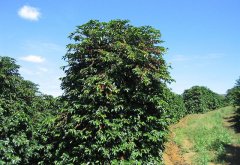
From coffee tree to coffee
Coffee is a perennial evergreen shrub or small tree of Rubiaceae. It is a horticultural perennial cash crop with the characteristics of fast growth, high yield, high value and wide market. Wild coffee trees can grow to a height of 5 to 10 meters, but coffee trees planted on the manor are often cut to less than 2 meters in order to increase their fruit and facilitate harvesting.
2014-07-22 Coffee knowledge coffee tree coffee process coffee encyclopedia
Characteristics of Lion King Sun-flavored Coffee beans treated by Sebastian Dharma
The coffee flavor of Sidamo is very diverse, and the different soil types, microclimate and countless native coffee species make the coffee produced in each town have obvious differences and characteristics. In 2010-12, it won three consecutive high marks from coffee review 92 to 94, which shows the extraordinary value of raw beans in this area! Domestic horizontal
2016-05-05 Saio Biya Dharma Solar processing Lion King Flavor Coffee beans characteristics Da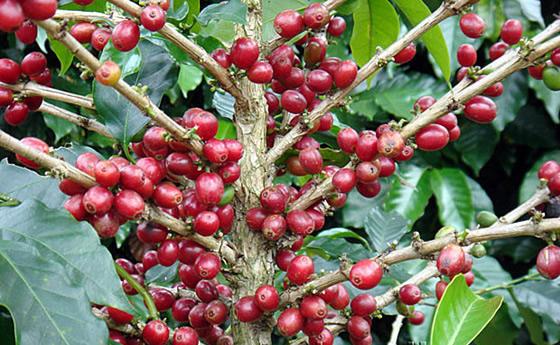
Boutique coffee beans: Ethiopian Sidamo Lion King sun-dried coffee beans
Coffee bean details: 1. Country: Ethiopia 2. Grade: G13. Production area: Guji 4. Planting altitude: 1800-2000m 5. Soil type: volcanic laterite 6. Annual rainfall: 1100-1200 cm 7. Treatment: insolation 8. Variety: native species (Heirloom) 9. Disposal site: Sirsa Cooperative 10. Raw bean specification: 17-18 items 11. Flavor: Jasmine, honey, orange
2015-12-05 Boutique coffee beans Ethiopia Dharma Lion King Sun details
Introduction to the characteristics of Fine Coffee in the Flavor production area of Santa Rita, Colombia
Coffee workers go up the mountain to pick coffee beans (also known as coffee cherries) by hand, so they can pick carefully and pick the most ripe and full fruits. The vast majority of Colombian coffee beans are water-washed and moderately roasted with a light, silky and sometimes sour taste, which is not as strong as Brazilian coffee and Italian Expresso and is known as green.
2016-09-27 Light fragrant Columbia Santa Rita Manor Flavor producing area Variety characteristics
Boutique coffee general knowledge about raw coffee beans
A coffee tree can bear about 3-5 kilograms of coffee cherries and can be refined into 1/5 weight raw coffee beans. Among them, through the hands and time of many people, coffee cherries are transformed into raw coffee beans. Arabica species and Robusta species account for about 2/3 of the world's coffee production, and are not suitable for growing in areas with high temperature, low temperature, more rain and less rain. The beans are oval and shoulder-flat.
2014-11-13 Coffee knowledge coffee common sense coffee raw beans
Bolivian Coffee Manor introduces the Yongas area northeast of La Paz
Bolivia is 1/3 of the Andean mountains, rugged terrain, mainly road transport, accounting for more than 85% of transportation. The main railway and road networks are concentrated in the west, and remote areas rely on air communication. But road coverage is the lowest in South America. And there is also the Ronggas Highway, the world's first insurance road known as the road to death. There is no developed economy here. It is the poorest in South America.
2016-06-18 Bolivia Coffee Manor producing area introduction La Paz Northeast Garth Poli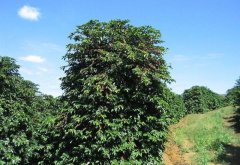
(turn) from coffee tree to coffee
Coffee is a perennial evergreen shrub or small tree of Rubiaceae. It is a horticultural perennial cash crop with the characteristics of fast growth, high yield, high value and wide market. Wild coffee trees can grow to a height of 5 to 10 meters, but coffee trees planted on the manor are often cut to less than 2 meters in order to increase their fruit and facilitate harvesting. The first flowering period of a coffee tree is about the age of the tree.
2014-08-18 Coffee tree coffee tree growth coffee encyclopedia
What is the effect of coffee honey in treating coffee honey?
Skin/Pulp: the outermost layer of coffee beans is covered with berry-like skin and pulp. In addition to the natural sun method, coffee beans treated by other methods must remove the skin and flesh within a few hours after picking. Similar to the cherries we often eat, the difference is that when we eat cherries, we mainly eat the pulp and peel of berries. For coffee.
2016-05-24 Coffee processing what effect peel pulp Skin Pulp coffee
Coffee bean production methods and production methods
Kopi Luwak (Indonesian for coffee), Luwak refers to an Indonesian arboreal wild animal commonly known as the civet cat, which looks similar to the civet cat in southern China. Sumatra, Java, and
2016-06-03 coffee beans production method production method wow history famous from
About Green Coffee Beans Basic Knowledge Arabica and Robusta
A coffee tree can produce about 3-5 kilograms of coffee cherries and can be refined into one-fifth of the weight of green coffee beans. Among them, coffee cherries are transformed into green coffee beans by many hands and time. Arabica and Robusta Arabica accounts for about two-thirds of the world's coffee production and is not suitable for growing in areas with high temperature, low temperature, much rain and little rain. The beans are oval and flat
2015-09-23 About Coffee Green beans Basics Common sense Rabbi Cajun Robbs Booth One Tree